
Why Does House Smell Like Dirt After Rain Fall
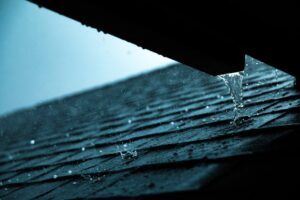
Nothing compares to the scent of rain. The earthy scent that accompanies a summer shower is warm and nostalgic for many people. Petrichor is the term used by scientists to describe the aroma that is created when rain combines with plant oils and dry soil.
Even if that smell could be nice outside, it usually feels quite different when it enters your house. Rather of being “fresh and earthy,” it may smell more like musty soil, damp dirt, or a wet basement—not exactly what you want to smell when you get home from a long day.
You’re not the only one who has ever pondered why your home smells like dirt after a rainstorm. After discussing the specific causes, let’s look at some practical ways to restore a welcoming and fresh home environment, such as using air purifiers and scent diffusers.
Part 1: What Causes the Dirty Smell in My Home After Rain?
1. Rain and Geoscience Science
-
Actinobacteria in soil create a substance called geosmin, which is released when rain falls. Geosmin produces that distinctive “earthy after-rain” scent outdoors.
-
Indoors, however, it combines with clothing scents, pet dander, and interior dust when it enters your house through open windows or ventilation systems. The “dirt” scent may be intensified by this combination, making inside less comfortable.
-
Because geosmin is so powerful, even at extremely low quantities (a few parts per trillion), humans can detect it. Even a tiny bit of outside geosmin can add an earthy scent to your house after a storm.
2. The House Is Getting Wet
Rain sneaks indoors in addition to increasing the humidity outside. Typical offenders include:
-
Foundation or basement wall fissures that permit the seepage of groundwater.
-
Doors and windows with inadequate seals that allow rainwater to seep into the wood frames.
-
Leaks from the roof that seep into the attic or insulation.
Your home’s wood, drywall, and carpet padding become damp when moisture seeps in. When wet, these materials produce scents in addition to absorbing water. “I’m holding onto more water than I should” is generally what your house is trying to tell you with that earthy “dirt smell.”
3. Growth of Mold and Mildew
-
Rain gives the ideal environment for mold and mildew, which flourish in moist environments.
-
Microscopic colonies may already be present behind furniture, beneath floors, or inside wall cavities even if you can’t see any obvious patches.
-
Microbial volatile organic compounds (mVOCs) are small substances that are released into the air by mold and have a pronounced musty, earthy smell.
-
Until excessive humidity (such as after rain) amplifies the odor, hidden mold development in crawlspaces or attics frequently remains undetected.
-
Sneezing, congestion, headaches, or increased asthma are just a few of the health consequences that can result from mold-related odors.
-
Mold is one of the main culprits if your home always smells earthy after rain.
4. Damp Upholstery, Rugs, and Carpets
-
Textiles have a reputation for absorbing moisture. Rain increases indoor humidity, and the damp air is trapped by materials like thick draperies, upholstered couches, and carpet fibers.
-
The moisture eventually combines with skin cells, pet hair, and trapped dust, providing the ideal conditions for bacteria to produce that “wet dirt” odor.
-
Deep-set dirt particles that only emit aromas when the humidity level rises can be found in even well-maintained carpets.
-
Because of this, your house may smell good most of the time, but after a rainstorm, it may start to smell musty.
5. Inadequate Air Movement
-
One of the most important aspects of odor management is airflow. Smells persist and intensify indoors if the air becomes stagnant.
-
Rainy days frequently result in more humidity, reduced ventilation, and closed windows.
-
Due to their greater natural moisture levels and already restricted ventilation, basements and crawlspaces are especially vulnerable.
-
Humidity may be trapped inside older homes with fewer vents or obstructed air returns.
-
The earthy odor doesn’t evaporate without adequate air movement; instead, it intensifies until it becomes unavoidable.
6. Problems with Drainage and Plumbing
-
The “dirt smell” can occasionally come from the earth below as well as the air. Heavy rains can saturate the earth beneath and surrounding your home if the foundation drainage system is inadequate. Odors released by the moist earth may leak upward through crawlspaces, vents, or cracks.
-
Leaky plumbing pipes might also have the same impact. Until rain raises groundwater levels and intensifies the earthy odor, a minor leak in a drain pipe might go undiscovered.
7. Contamination of HVAC Systems
-
The purpose of the air conditioning, heating, and ventilation systems in your house is to circulate air, but dirty air can spread scents instead.
-
Every time the system turns on, earthy odors may move through ductwork loaded with dust and mold spores.
-
Unchecked odor particles may flow through dirty air filters.
-
The stench may be intensified by moisture buildup inside ducts during humid, rainy weather.
-
If your HVAC system is to blame, the odor will not remain in one area of the house but will instead spread to other rooms.
Part 2: Beyond the Smell: Why It Matters
Smells are often signs of something bigger than just a smell.
-
Issues with air quality: Odors that are musty and dirt-like frequently indicate the presence of dust, germs, and mold spores in the air. Regular inhalation of these can exacerbate respiratory conditions and allergies.
-
Risks of home damage: Prolonged moisture deteriorates timber frame, drywall, and carpet padding, necessitating expensive repairs.
-
Psychological comfort: Perception is influenced by smell. After a rainstorm, a house that smells musty and earthy may seem less hygienic, less welcoming, and even stressful.
For this reason, it’s crucial to address the root problem rather than merely cover up the smell.
Part 3: How to Get Rid of Dirty Odors After Rain
After dissecting the causes, let’s examine potential remedies.
The most successful tactic combines:
-
Air purifiers to eliminate scents at their source.
-
Diffusers for aromas to add calming, pleasant fragrances.
Solution 1: Eliminate the Bad Using Air Purifiers
✅ Air Purifiers: Revolutionary

✅ Check It Out Here
The cornerstone of cleaner indoor air is an air purifier. Purifiers address the underlying source, which is airborne particles and gases, as opposed to sprays or candles, which just mask scents.
How Musty Odors Are Eliminated by Air Purifiers
-
Dust, pollen, and mold spores that contribute to earthy smells are captured by HEPA filters.
-
Odor compounds from mold, such as geosmin and mVOCs, are absorbed by activated carbon filters.
-
By maintaining constant circulation, odor-trapping stagnation is avoided.
Top Locations for Their Use
-
Basements: the epicenter of musty smells.
-
Bedrooms and living areas: where air quality and comfort are most important.
-
Close to HVAC vents: to clean the air before it enters the house.
Takeaway (a la advertisement)
Consider an air purifier to be the silent companion of your house. You will sense the change even if you won’t be able to hear it working. Many residents discover that the strong “dirt smell” is no longer triggered by rain after a few days. Rather, their houses feel healthier, lighter, and fresher.
Solution 2: Add the Good with Aroma Diffusers
🌸 Aroma Diffusers: The Oasis Effect

✅ Check It Out Here
It’s time to introduce fragrances that transform your house into a haven once the unpleasant things have been removed. Aroma diffusers excel in this situation.
The Benefits of Aroma Diffusers
-
Release essential oils into the atmosphere to eliminate lingering smells.
-
Scents associated with energy, attention, or relaxation can improve comfort and mood.
-
Promote well-being: Antimicrobial oils, such as eucalyptus and tea tree, make the air smell better and be cleaner.
Suggested Oils for Earthy Aromas
-
Lemon, orange, and grapefruit oils: bright, clear, and invigorating.
-
Lavender: soothing, revitalizing, soothing.
-
Eucalyptus and tea tree: natural deodorants that have antibacterial properties.
-
Peppermint: energizing, cold, and crisp.
Takeaway (a la advertisement)
Imagine a rainy evening with the windows closed, but instead of the earthy dampness, the aroma of lavender or lemon fills your home. Rain becomes a backdrop rather than a cause of tension when you utilize an aroma diffuser.
The Best Ways to Combine Aroma Diffusers with Air Purifiers
-
Purifier: Eliminates the underlying sources of smells.
-
Diffuser: Adds your favorite fragrances to the air.
The canvas is cleaned by one, then exquisitely painted by the other. When combined, they not only address the issue of “dirt smell,” but also improve the quality of life in the house.
Part 4: Fostering Routines for Extended Freshness
-
Leaks should be sealed and repaired to stop fresh moisture intrusion.
-
Ventilate as much as you can; on dry days, use fans or crack windows.
-
Regularly wash textiles: curtains, slipcovers, and rugs accumulate wet smells.
-
HVAC systems should have their ducts cleaned and their filters changed every three to six months.
-
Keep the humidity in damp rooms below 50% to prevent the growth of mold by using dehumidifiers.
Conclusion: Fresh vs. Musty
It’s not your imagination if your house smells like dirt after a rainstorm. The causes stem from airflow, home conditions (fabrics, mold, and moisture), and science (geosmin).
However, the answer is simple:
-
Air purifiers to neutralize and clean the air.
-
Aroma diffusers to generate the desired scent.
When combined, they transform rainy days from a source of earthy fragrances into an opportunity to always enjoy a clean, pleasant, and fresh scent in your house.