
What Causes The Kerosene Odor In My Home?

Walking into your house and being hit in the face by a strong, chemical, fuel-like odor that makes you think of a gas station or a kerosene heater from the 1990s is a particularly unnerving experience.
It’s concerning.
It’s not comfy.
Furthermore, you do not want it to remain in your living area.
Let’s examine the most frequent, and entirely preventable, causes of a home’s abrupt kerosene odor before panic sets in.
These are the top remedies, what to check for, and seven potential causes.
1️⃣ Heating Systems Generating Odors Similar to Fuel
This should be the first item on your list if you have a fuel-burning heating system of any kind.
The following systems are capable of emitting kerosene-like smells:
-
Furnaces powered by oil
-
Kerosene heaters
-
Space heaters that are portable
-
outdated boilers
-
HVAC units that aren’t working properly
-
Unfinished combustion in gas furnaces
It’s usually unburned fuel vapor or combustion byproducts that are drifting into the home instead of kerosene that you’re smelling.
Indices that this is the reason:
-
When the heat is turned on, the odor gets stronger.
-
The smell is greatest next to the furnace or vents.
-
In colder climates, it gets worse.
Fix
-
Change the HVAC filters.
-
Arrange for an inspection or tune-up.
-
Examine the area around vents for soot (a warning sign).
-
Temporarily open the windows to let fresh air in.
-
Put away your portable kerosene heaters inside.
-
Contact a specialist right once if the stench is strong or unexpected.
2️⃣ Indoor Storage of Off-Gassing Chemicals or Fuels
Kerosene can occasionally smell like kerosene. simply not where you believe it to be.
Products that emit fumes similar to kerosene when stored include:
-
Containers for kerosene
-
Cans of gasoline
-
Containers for diesel
-
Thinners for paint
-
Solvents
-
Antiquated oil-based paints
-
Fuel for camping
-
A lighter fluid
The vapors may move indoors if these are kept indoors, even in a garage that is connected to your house.
Fix
-
Keep fuels in a shed or outside.
-
Keep containers tightly sealed.
-
Let the space breathe.
-
Spills should be cleaned up right away.
-
Maintain proper ventilation in garages.
The Secret Weapon: An Air Purifier
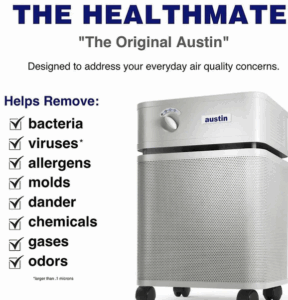
✅ Check It Out Here
3️⃣ Non-functioning Tools or Appliances
When parts overheat or motors burn out, some appliances emit a kerosene-like scent.
Be wary of:
-
Heaters for spaces
-
Heaters for water
-
Antiquated refrigerators
-
Freezers
-
Dehumidifiers
-
Power instruments
-
compressors for air
An unpleasant, fuel-like smell may be released when insulation or wiring overheats.
Fix
-
Unplug any suspicious gadgets.
-
Look for sizzling sounds or warm places.
-
Get the appliance examined by a specialist.
-
Bingo if the odor is present when a particular equipment is turned on. You have identified the offender.
4️⃣ Discounting New Flooring, Furniture, or Renovation Supplies
This is a cunning one:
Volatile organic compounds (VOCs) that smell remarkably like kerosene can be released by new house materials.
Typical offenders include:
-
Fresh carpets
-
Flooring made of laminate
-
Vinyl flooring
-
Fresh furnishings
-
Wood that has been pressed
-
Paints
-
Sealants
-
Adhesives
If there is inadequate ventilation, the odor could persist for weeks or even months.
Fix
-
Let the house air out.
-
Turn on exhaust fans.
-
Make use of an air purifier.
-
Every day, open the windows.
-
Give the materials time to cure.
5️⃣ Garage fumes or vehicle exhaust entering the house
This is very likely if your house is connected to a garage.
In reality, the fuel/kerosene odor could be:
-
Vehicle exhaust
-
Containers of stored fuel
-
fumes from lawn mowers
-
emissions from snowblowers
-
Fuel vapors from motorcycles
-
The scent of a leaf blower
These smells are frequently “pushed” into the house from garages by:
-
Poor door seals
-
The HVAC system returns to the garage, which is not where it should be.
-
Variations in air pressure
-
Wall gaps
Fix
-
Boost the ventilation in the garage
-
Close the holes in the doors.
-
Fuel containers should be moved to a shed.
-
Let cars cool down before bringing them inside.
6️⃣ Wax melts, fire starters, or candles containing petroleum
The smell of kerosene can occasionally be covered up by something “nice.”
Some household objects, such as the following, can emit smells similar to petroleum:
-
Candles made of paraffin
-
Bricks for fire starters
-
Low-cost wax melts
-
Fuel for a torch
-
Lamp oil
-
Sprays for fabrics
-
Solvent-based scented cleaning products
Cheap candles in particular may smell like kerosene while burning paraffin.
Fix
-
Use beeswax or soy candles instead.
-
Steer clear of indoor petroleum-based fire products.
-
Swap out perfumed wax melts.
7️⃣ An Outside Source Permeating the Interior
It may surprise you to learn that the stench is not coming from your home.
Outside sources may float through attic cracks, windows, or vents:
-
Paving roads
-
Asphalt roofing
-
Sealants for construction
-
Kerosene being used in a nearby residence
-
Generators
-
Snowblowers
-
Heaters outside
This is probably the cause if the stench appears and disappears rapidly.
Fix
-
When working outside, close the windows.
-
Cover locations that are prone to drafts.
-
Boost ventilation
Why the Smell Still Lingers…
And the Simple Solution Most People Miss
Even after fixing the source, many people say:
“Why does my house STILL smell like kerosene?”
Here’s why:
The odor molecules don’t just disappear.
They:
-
Stick to walls
-
Absorb into fabrics
-
Get trapped in HVAC airflow
-
Settle into carpets
-
Linger in the air for days
This is why the smell often refuses to go away.
A high-quality air purifier makes a massive difference here
The P2000 Air Purifier

✅ Check It Out Here
A real purifier (one with strong odor removal power):
-
Neutralizes chemical and VOC smells
-
Clears out trapped odor molecules
-
Freshens the entire home
-
Keeps air circulating so fumes don’t settle
-
Helps remove that chemical “heaviness”
People often try everything — mopping, scrubbing, deodorizing — but nothing works until they clean the air.
This is the quiet hero that finally solves the kerosene smell.
Turn it on.
Let it run.
And breathe clean, safe air again.
🌿 Final Thoughts
A kerosene-like smell in your home can be scary — but it’s almost always traceable to a clear, fixable source. Whether it’s a heater issue, stored chemicals, a malfunctioning appliance, off-gassing materials, or fumes sneaking in from outside, you now have the tools to track it down.
But remember:
Cleaning the source isn’t the final step — cleaning the air is.
A strong purifier removes the lingering fumes and gives your home that clean, fresh, natural-air feeling again.
Here’s your next move:
👉 Inspect heaters and appliances.
👉 Remove or relocate chemical storage.
👉 Improve ventilation and airflow.
👉 And let a high-quality air purifier eliminate the leftover fumes safely.
Your home should smell like home — not a fuel station.
Let’s get you back to clean, safe air.