How To Clean Porcelain Tiles In Bathroom & Shower

Porcelain tile has an enduring quality. Porcelain tile, whether it’s the sleek kitchen backsplash, the glossy white bathroom floor, or the matte-finished entryway that welcomes you after a long day, combines durability and elegance into one long-lasting surface.
However, even porcelain, the flooring industry’s superhero, requires some care. Because dirt seeps in over time. Soap scum accumulates. You never consented to the grout’s darkening hue. And the shine just kind of goes away.
We are going to take care of that, so don’t worry.
This tutorial shows you how to properly clean porcelain tile without using harsh chemicals or spending a lot of time scrubbing. Finally, I’ll reveal the one unseen trick to maintaining a clean, fresh, and healthy atmosphere in your house—hint: it all comes down to what’s floating in the air.
🧼 Reasons for Dull or Dirty Porcelain Tile
Because it is solid and non-porous, porcelain resists stains and water absorption. For this reason, it is utilized in mudrooms, kitchens, and showers.
Why does it become dirty, then? A few cunning offenders:
-
Soap residue: Cleaning supplies and body washes leave a residue.
-
Hard water: Over time, minerals accumulate and cause drab patches.
-
Foot traffic: The surface is ground up by grease and dirt.
-
Inappropriate cleaners: Certain chemicals produce stains or remove the finish.
The good news is that the solution is straightforward and fulfilling once you understand what’s causing the issue.
🪣 Essentials
Since using what works without damaging the tile is half the battle, let’s start with the appropriate tools.
Cleaning Materials
-
Warm water
-
Use a pH-neutral tile cleanser or mild dish soap
-
White vinegar (for thorough cleaning, optional)
-
The baking soda used for grout
-
A microfiber cloth or a soft mop
-
An old toothbrush or a soft-bristle brush
-
A bucket
-
Use a microfiber mop or dry cloths
How to Clean Porcelain Tile Like a Pro: A Step-by-Step Guide
Let’s get our hands dirty. This simple, effective method will restore shine without causing any harm to your walls or floors.
Step 1: Start by Vacuuming or Sweeping
Always clear away any loose particles before adding moisture.
-
Use a broom with delicate bristles to sweep softly.
-
Or, to prevent scratches, vacuum on a hard floor setting.
Why this matters: When you mop, dust and grit can behave like sandpaper, causing microscopic scratches that give the appearance of cloudiness on your tile.
Step 2: Prepare a Mild Cleaning Agent
In a bucket, mix together:
-
One gallon of warm water
-
A few teaspoons of dish soap that is mild
Steer clear of bleach and harsh cleansers as they may react with grout sealants or dull the glaze.
💡 Pro Tip: Instead of using soap, add ½ cup white vinegar to the bucket for a natural cleanser. It eliminates microorganisms and cuts grease.
Step 3: Gently Mop or Wipe
Excess water seeps into grout lines, so dip your mop into the cleaning solution and wring it dry thoroughly.
-
Divide your work into manageable chunks.
-
Instead of using a mop on walls, use a microfiber cloth.
-
Avoid letting puddles remain for too long.
Damp, not pouring, is the aim.
The Secret Weapon: An Air Purifier

✅ Check It Out Here
Step 4: Use Fresh Water to Rinse
Soap residue is cunning because it creates a thin layer that later draws in more filth.
After cleaning, use a fresh mop and clean water only to go over the tile again.
Step 5: Buff and Dry
Drying is the key that most folks overlook!
To get rid of any remaining moisture, use a dry mop or a soft microfiber towel. Water stains and streaks are avoided in this way.
The shiny, smooth, and brilliant finish of your porcelain will return to life.
Step 6: Focus on the Grout (Powerful but Optional)
Even the clearest tile might appear aged due to dirty grout. This is the secret:
-
Make a paste by combining baking soda and a small amount of water.
-
Put on grout lines.
-
Give it 10 to 15 minutes to sit.
-
Use an old toothbrush to scrub.
-
Rinse well.
Step 7: Periodically Deep Clean
For excessive accumulation or tedium:
-
Combine 4 parts water with 1 part white vinegar.
-
Mop as normal.
-
Rinse well and pat dry.
If your grout is not sealed, stay away from vinegar since it will eventually weaken the lines.
🧾 Task for Quick Reference Table
| Cleaning Task | The Greatest Cleaning Instrument | Routine / Frequency |
|---|---|---|
| Routine Mopping | Warm water with mild soap | A microfiber mop — Weekly |
| Spot Cleaning | Water and vinegar | As required, use cloth |
| Cleaning Grout | Paste for baking soda | A toothbrush — Every month |
| Deep Cleaning | Vinegar solution | Mop — Each two to three months |
| Dry and Buff | Microfiber | A hand towel — Following every cleaning |
✨ Preserving the Glow Over Time
Continue when you’ve brought back that showroom gleam:
-
To capture dust and grime, use door mats.
-
Clean up spills fast, especially those involving oil, alcohol, or coffee.
-
Avoid using sealants or waxes designed for different kinds of flooring.
-
To remove fine dust before it dulls the shine, dry mop often.
With this routine, your tile should look nearly new for decades.
Here’s the Part No One Discusses: While Cleaning, What’s in the Air?
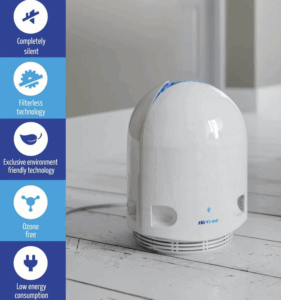
The P2000 Air Purifier
✅ Check It Out Here
Let’s take a moment to think.
You’ve cleaned, dried, mopped, and appreciated your effort. The floor gleams. Once more, the grout smiles.
It’s not your imagination, though, if you find that the room still smells stale or that strange “cleaner” smell persists.
The air is that.
Invisible particles are released into our home environment as we clean:
-
Cleaners’ volatile organic compounds, or VOCs
-
Spores of mold released from moist areas
-
Even minute traces of minerals in tap water
These microscopic intruders are not merely floating away. They adhere to textiles, float in the air you breathe, and enter your lungs covertly.
Therefore, installing an air purifier in your house is like giving it a pair of lungs, especially if it’s close to areas that need to be cleaned, like kitchens, bathrooms, and laundry rooms.
💨 The Unsung Hero: The Importance of Air Purifiers in Every House
Think of your house as a live, breathing environment. You vacuum the carpets, scrape the grout, and clean the surfaces, but you’re never really done unless you’re also filtering the air.
An excellent air purifier:
-
eliminates tiny tile residue and dust that rises during cleaning.
-
captures volatile organic compounds (VOCs) from detergents and soaps.
-
eliminates smells from grout and dampness.
-
lessens inflammation of the respiratory tract
-
keeps the impression of lightness and crispness in your freshly cleaned house.
Consider It This Way:
You wouldn’t use unclean water to scrub a floor.
After cleaning everything else, why breathe in contaminated air?
All day, every day, an air purifier quietly removes unseen pollutants from the air and returns it to your house in a clean, healthy state.
You’ll See the Distinction:
-
The scent of “freshness” that lingers
-
Your tiles will have less dust, requiring less frequent cleaning!
-
A lighter, more tranquil mood, similar to opening a window to the outside
🏡 The Organic Equilibrium of Clean Air and Clean Surfaces
Because porcelain tile reflects light, it makes your space appear larger, lighter, and more sophisticated. This makes it easy to enjoy. However, because of that same reflectiveness, you may see streaks, haze, and dust.
Your tile will remain cleaner for longer when your air is cleansed. Due to:
-
There are no dust particles landing on the surface.
-
The sheen isn’t dulled by any sticky VOC residue.
-
Fewer after-cleaning scents or chemical odors.
Freshness builds upon itself in a cycle.
Clean tile means cleaner air, which means a cleaner home and happy lungs.
🧷 Concluding Remarks: A New Home Is More Than Just What You See
Maintaining porcelain tile is more than simply keeping it shiny; it’s also about how your room feels when you enter barefoot, with sunlight reflecting off the floor and a comforting scent filling the air.
Your tile will remain brilliant with little work if you follow these instructions. The air is the first step in getting that next-level clean, though, the type you feel in your chest rather than just beneath your feet.
As you put away your towel and mop, think about maintaining the same level of natural, fresh air throughout your house as you did for your tile.