How To Clean Frigidaire Ice Maker

Most likely, you are unaware of what lurks behind your ice.
Picture this: You take some ice out of your freezer and add it to your glass of water. But something doesn’t seem right. Perhaps it has a little amusing fragrance. The cubes may appear somewhat hazy or maybe have a faint residue.
The unsettling reality is that mold and germs may thrive in your Frigidaire ice maker.
Ice is not typically thought of as a source of pathogens. It’s frozen water, after all! However, the truth is that ice makers have moist surfaces and hidden cracks, which are ideal for the growth of microorganisms.
“The cubes started to smell strange a week after I cleaned the ice maker once!”
—An actual account from a disgruntled homeowner
The good news? The issue can be resolved by thoroughly cleaning your ice machine.
The even better news? By cleaning the air surrounding it, you may go one step further and lessen allergies, bacteria, and unseen pollutants in your kitchen.
Step 1: Prioritize Safety ♠️
Prior to taking any further action:
-
Disconnect the ice maker. Prioritize safety!
-
Make sure the ice bin is fully empty. Don’t risk using old ice; throw it away.
-
Consider this as cleansing a battlefield; if the environment is cluttered, you cannot defeat concealed adversaries like mold, germs, and lingering scents.
💡 Quick tip: To collect drops, have a towel close at hand.
Step 2: Take Out and Clean Every Part 🧼
The majority of refrigerator ice makers feature detachable parts:
-
Ice bin
-
Spoonful of ice
-
Reservoir of water
Methods for cleaning them:
-
Use warm, soapy water to wash.
-
To prevent scratches, use a gentle cloth.
-
Rinse well to get rid of any soap residue.
-
Rinse your ice until the water runs entirely clean since soap residue can make it taste strange.
Pro Tip: Before reassembling, place detachable parts on a drying rack and allow them to air dry fully. Mold thrives on the moisture that is left behind.
Step 3: Thoroughly Scrub the Interior
Most individuals miss this phase, which they will later regret.
What you will require:
-
Ingredient Quantity: 1 gallon of warm water, 1 tablespoon of bleach
Step-by-step:
-
Mix bleach in warm water.
-
Dip a clean cloth or sponge into the solution.
-
Wipe down every surface, including corners and crevices.
-
For models with a self-clean function, run the cycle—but manual cleaning is critical.
-
Remember: Mold can hide in tiny crevices that machines cannot reach.
Step 4: Rinse & Dry
-
Rinse all interior surfaces with clean water.
-
Dry thoroughly with a clean towel or air-dry.
-
Moisture left behind = bacteria playground. Don’t skip drying.
Step 5: Optional Vinegar Boost 🍋
If you want to be extra safe, run equal parts water and white vinegar through a few ice-making cycles.
Benefits:
-
Neutralizes odors
-
Kills lingering microorganisms
-
Makes ice taste crystal clear
The Problem Cleaning Can’t Solve 😱
Even after cleaning, your kitchen is far from germ-free. Dust, mold spores, pollen, and bacteria float invisibly in the air.
Every time you open the freezer or cook a meal, these invisible particles can land on your ice or kitchen surfaces.
Scrubbing alone is like mopping a floor while it’s still raining indoors. Without controlling the air, your cleaning efforts only go so far.
⚠ Invisible Threats Lurking in Your Home
| Threat | Source | Why It Matters |
|---|---|---|
| Dust & pollen | Outdoor air, pets | Triggers allergies |
| Mold spores | Damp areas, ice maker | Respiratory issues |
| Bacteria | Kitchen surfaces, air | Sickness risk |
Even the cleanest surfaces can be compromised by invisible airborne contaminants.
The Smart Solution: Air Purifiers
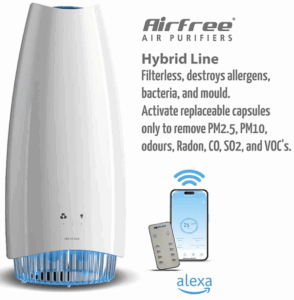
Airfree Elite Air Purifier – Quiet & Dust-Free Filter
✅ Check It Out Here
Here’s the secret most cleaning guides won’t tell you: a high-quality air purifier will remove airborne contaminants before they land on your surfaces.
Benefits:
-
Keeps ice and food fresher
-
Makes cleaning easier because fewer particles settle
Quick Comparison: Clean Ice vs Clean Air
| Feature | Without Air Purifier | With Air Purifier |
|---|---|---|
| Ice taste | Sometimes off | Crystal clear |
| Airborne allergens | High | Reduced |
| Kitchen cleanliness | Low | High |
| Family health risk | Medium-High | Low |
Step 6: Schedule for Maintenance 🗓
-
Clean the ice machine every three to six months.
-
Replace the air purifier’s filters every six to twelve months.
-
Little, regular activities add up to big outcomes.
💡 Insider Advice
See the difference when you use an air purifier in conjunction with a clean ice maker:
-
Ice cubes have a neutral scent and a fresh flavor.
-
Sneezes and allergies drastically decrease.
-
Surfaces remain cleaned for longer.
Final Remarks
Maintaining the cleanliness of your Frigidaire ice maker is simple, efficient, and necessary. However, cleaning the appliance alone won’t provide true protection; you also need to clean the air.
Your efforts won’t be in vain thanks to air purifiers, which function as an invisible barrier around-the-clock. You may safeguard your family, enhance the flavor and safety of your ice, and lessen allergens in your house by combining appropriate cleaning with air purification.