
☕ How To Clean A Nespresso Machine

It’s probably time for a thorough cleaning if your morning espresso doesn’t taste as smooth as it once did or if your Nespresso is spluttering rather than flowing.
Your Nespresso machine silently accumulates coffee oils, mineral scale, and residue from water and capsules, just like any other coffee maker. Regular cleaning ensures that your machine remains healthy for many years to come and that the coffee tastes great.
Let’s go over how to properly clean it and maintain the surrounding air as fresh as your brew.
The Importance of Cleaning Your Nespresso Machine
Coffee oils and water minerals eventually leave residues inside the machine’s spout and tubing.
That accumulation may result in:
-
Low water pressure or slower brewing
-
Espresso that tastes bitter or burnt
-
Leaks or drips at the capsule area
-
Mold or germs that are hidden, particularly in damp kitchens
What’s the solution? A quick and easy routine that just takes a few minutes.
What You’ll Need 🧰
Equipment
-
A microfiber cloth
-
Old toothbrush or soft brush
-
Cup for measuring
-
A dry towel
-
A paper clip (to clear the clogged spout)
🧴 Provisions
-
The descaling solution or white vinegar
-
Warm water
-
Gentle dish soap
Before Using Vinegar
Before using vinegar, always refer to the handbook for your model. Some Nespresso machines advise using a branded descaling solution to preserve internal components.
Detailed Instructions For Cleaning Your Nespresso Machine
🪄 Step 1: First, Disconnect and Empty
Prioritize safety.
Remove all of the Nespresso machine’s removable parts after unplugging it:
-
Tank of water
-
The drip tray
-
Container for capsules
Rinse every area with warm, soapy water after emptying any used capsules. Rinse well and pat dry.
💡 Advice: Avoid putting plastic items in the dishwasher as it may cause warping.
💦 Step 2: Clean the Outside
Wipe the outside with a moist microfiber towel, paying particular attention to the buttons, spout, and underneath the capsule lever.
If there is a buildup of coffee splatter, rinse the cloth with a small amount of dish soap.
☕ Step 3: Reduce Internal Scale
The magic (and the muck) reside here. Hard water can cause scale buildup, which can clog the system and reduce flavor.
For a clean that is natural:
-
Add water and white vinegar to the water tank in equal amounts.
-
A big mug should be placed beneath the spout.
-
Until the tank is empty, run the machine without a capsule.
-
Rinse well by repeating at least twice with plain water.
Follow your model’s instructions for an official descaling solution, which is typically performed every three months or after 300 pods.
💡 Tip: If you reside in a location with hard water, do this once a month.
🔧 Step 4: Clean the Capsule Area
Examine the capsule chamber by raising the handle. To get rid of sticky oils or coffee grinds, use a moist Q-tip or a gentle brush.
To clear debris from the coffee spout, carefully insert an unbent paper clip and swirl.
To remove any leftover residue, run a single plain water cycle without a capsule.
✨ Step 5: Clean the Tank and Drip Tray
Use warm, soapy water to wash both sections.
Rinse well to get rid of soap residue.
Before reattaching, let it dry.
If there is a hazy coating on your tank, soak it for 20 minutes in a solution of vinegar and warm water, and then give it a thorough clean.
🔁 Step 6: Reassemble and Test
Reassemble your machine and perform one more plain water cycle after everything has been cleaned and dried.
Breathe deeply now; your Nespresso should operate more quickly, sound smoother, and produce coffee with a better flavor.
🌬️ Preserve the Coffee Aroma, Not the Build-Up Odor
Even when your Nespresso is immaculate, have you ever noticed how occasionally cleaning it can cause that strange, sour, or metallic coffee fragrance to escape into the air?
This is due to the fumes and tiny residue released by descaling chemicals and used coffee oils. Tiny particles and scents also drift into the air as you wipe, rinse, and flush—exactly the kind of stuff an air purifier excels at handling.
💨 Why the Coffee Ritual Is Completed by Clean Air
The P2000 Air Purifier
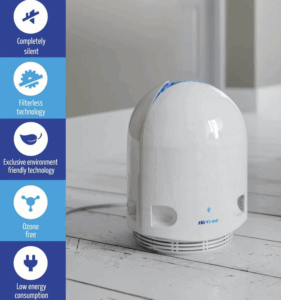
✅ Check It Out Here
Your Nespresso smells more than simply espresso each time you brew it:
-
Water vapor steaming
-
Coffee oil residue particles
-
Volatile organic compounds (VOCs) from descalers or detergents
-
Musty odors from drying damp areas
☕ Things You’ll See
Following a cleaning or while operating your air purifier:
-
Within minutes, the chemical or vinegar odor goes away.
-
The air is crisper and feels lighter.
-
The smell of “stale coffee” doesn’t persist.
-
Because smells influence how flavor is perceived, your next cup truly tastes cleaner.
It’s like to updating your espresso and air at the same time.
⚡ A Fast Trick to Get the Most Freshness
Keep your coffee nook close to your air purifier.
To trap odor and mist in the air, run it while descaling.
After that, let it continue for 30 to 60 minutes.
This results in a corner that is genuinely sensory-clean, with rich espresso, clear air, and no residual odor.
Maintaining the flavor experience you enjoy with your Nespresso machine is just as important as protecting your investment.
Fresh coffee, fresh air, and a fresh start are all part of the café experience that you receive in your kitchen when you combine it with clean, purified air.