How To Clean A Bowl
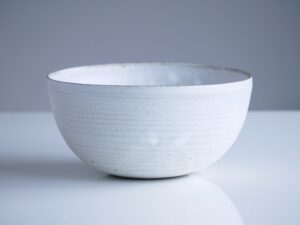
A bowl seems simple enough, right? But whether it’s a salad bowl, cereal bowl, or mixing bowl, residue from oils, sauces, or sticky foods can linger longer than you realize. A dirty bowl isn’t just unpleasant — it can harbor bacteria, odors, and even make your kitchen smell off over time.
Cleaning bowls properly is about more than just soap and water. Done right, it ensures hygiene, extends the life of your kitchenware, and keeps your home feeling fresh.
Let’s break it down.
🧰 What You’ll Need
| Item | Purpose |
|---|---|
| Dish soap | Removes grease and food residue |
| Warm water | Loosens stuck-on food |
| Non-abrasive sponge | Prevents scratches on delicate bowls |
| Baking soda (optional) | For tough stains or odors |
| Vinegar (optional) | Helps remove mineral deposits or lingering smells |
🚿 A Comprehensive Guide to Bowl Cleaning
This is the most effective way to guarantee that every bowl is odor-free, hygienic, and immaculate.
First Step: Pre-Rinse
-
Rinse the dish with warm water to remove any remaining food before scrubbing.
-
This cuts down on the amount of time spent scrubbing and keeps food from sticking during washing.
-
Soak the bowl in warm water for a few minutes to get rid of sticky residues.
💡 Tip: Rinsing quickly is preferable to repeatedly doing a lot of heavy washing, and it also saves water.
Step 2: Apply Dish Soap
-
A few drops of mild dish soap can be added to the bowl or straight onto the sponge.
-
Scrub the outside, interior, and edges gently.
-
Food prefers to hide in nooks and crannies, as well as any grooves or patterns.
Step 3: Deal with Difficult Stains
For bowls that have strong smells or stains:
-
Add a small amount of baking soda to the bowl.
-
A little vinegar will naturally bubble and lift stains.
-
Scrub in a circular motion with your sponge.
💡 Did You Know?
Baking soda and vinegar are natural deodorizers and gentle abrasives that don’t harm most materials.
Step 4: Give it a Good Rinse
-
Rinse the bowl under warm running water to remove any remaining soap, vinegar, or residue.
-
Look for any remaining soap film; if the bowl is used for food, it may leave an unpleasant flavor.
-
Remove extra water by shaking.
Step 5: Fully Dry
-
Let the bowl air dry or use a fresh cloth.
-
Towel or lint residue is less likely when drying by air.
-
To stop bacteria from growing, make sure the dish is completely dry before storage.
Step 6: Examine and Stock
-
Look for any lingering residue or streaks.
-
Keep on a shelf or in a dry cabinet.
-
To prevent chipping or scratches, stack carefully.
Additional Advice on Bowl Upkeep
-
Avoid using abrasive scrubbers on non-stick or delicate bowls since they might cause surface damage.
-
Soak odor-absorbing plastic bowls in water with baking soda for half an hour.
-
A vinegar rinse helps bring back the luster of glass or ceramic bowls that have hard water stains.
-
If at all possible, wash right away after using to avoid food solidifying and adhering.
💨 The Significance of Clean Air in Your Kitchen
Cooked foods, oils, and bacteria particles can leave residual odors in your kitchen air even after you’ve cleaned your bowls to perfection.
Your cleaning regimen is enhanced by a home air purifier:
-
Captures culinary smells and grease particles in the air.
-
Minimizes dust, allergens, and volatile organic compounds (VOCs) from cleaning agents and culinary sprays.
-
Maintains the aroma of your kitchen even after lengthy cooking sessions.
Considering it a last touch, your bowls and the air they are in are both clean.
⚡ Easy Cleaning Tips in a Flash
-
For easy scrubbing later, immediately fill bowls with hot, soapy water after use.
-
For food that is raw, sticky, or greasy, use different sponges to avoid cross-contamination.
-
Because they also contain bacteria, rotate your sponges and rags on a regular basis.
💡 Did You Know?
Over time, smells can be released into the kitchen air from even tiny residues left in bowls. By combining thorough cleaning with air filtration, indoor air quality is improved and residual odors are avoided.
Putting Everything Together
Maintaining the freshness of your home is more important than merely keeping your bowl clean. When you correctly wash your dishes and maintain that with air that is clean and pure:
-
Food remains delicious and safe.
-
Odors and bacteria are reduced.
-
Every day your kitchen feels welcoming and new.
Concluding Remarks
Use these procedures the next time you clean a bowl:
-
Rinse first to get rid of food particles.
-
Use a non-abrasive sponge and soap to wash.
-
For tough stains, use vinegar and baking soda.
-
Rinse and let dry fully.
-
To maintain the quality of the air around you, use an air purifier and store items carefully.
Simple, effective, and your bowls — and home — will thank you.