How To Clean Fish Tank
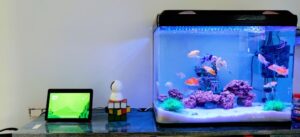
There’s nothing more mesmerizing than a sparkling fish tank — colorful fish gliding through clear water, plants swaying, and bubbles dancing up to the surface. But behind that serene view is a lot of hidden work.
A dirty tank doesn’t just look bad — it can stress your fish, encourage algae growth, and even make your home smell a little… “pondy.” Regular cleaning is essential for keeping both your fish and your space healthy.
Let’s dive into a complete, step-by-step guide to cleaning your fish tank safely and effectively.
🧰 What You’ll Need
| Item | Purpose |
|---|---|
| Algae scraper or sponge | Remove algae from glass and decorations |
| Gravel vacuum | Clean substrate and remove waste |
| Bucket (designated for aquarium use) | Collect water safely |
| Dechlorinator | Treat tap water before refilling |
| Soft brush | Clean ornaments without scratching |
| Replacement water | Fresh, temperature-matched water for refill |
🚿 Detailed Instructions for Cleaning Fish Tanks
Although cleaning a tank may seem difficult, it’s doable if you follow these guidelines, and your fish will appreciate it.
Step 1: Get Your Tools Ready
Make sure all of your equipment and supplies are ready before you touch your tank.
-
Never combine chemicals used for bathroom or kitchen cleaning with a bucket intended exclusively for aquarium use.
-
To ensure that the replacement water is safe for your fish, mix it beforehand and treat it with a dechlorinator.
💡 Tip: By preparing the water in advance, you can prevent your fish from experiencing lengthy stress while being cleaned.
Step 2: Disconnect and Take Down the Decorations
-
Switch off all electrical devices, including heaters and filters.
-
Remove artificial plants, pebbles, and ornaments with care.
-
Use lukewarm water to rinse them.
-
To remove algae, use a soft brush or sponge instead of soap, which is poisonous to fish.
Step 3: Glass Scraping
-
To carefully remove algae from the tank walls, use an algae pad or scraper.
-
Work your way down from the top.
-
A plastic razor scraper can be useful for tough algae; avoid using metal as it can scratch acrylic or glass.
Step 4: Vacuum the Substrate
While clearing the substrate of debris and fish waste, syphon away water using a gravel vacuum.
-
Suck dirt and leftover food into the gravel by pressing the vacuum onto it.
-
To keep your fish safe while you clean, try to remove 25–30% of the water at this point.
⚡ Quick Tip: To avoid pollutants accumulating in the water, do this once a week.
Step 5: Clean the Filter (Without Damaging Beneficial Bacteria)
-
To maintain the water’s health, filters are necessary.
-
Never use tap water to rinse filter media since it can destroy good bacteria. Instead, use the tank water you removed.
-
As advised by the manufacturer, replace worn-out components.
Step 6: Use Fresh Water Again
-
Fill the tank gradually with temperature-matched, pre-treated water.
-
To prevent upsetting the substrate, pour slowly.
-
Verify that the heater and filter are operating correctly and that the water level is appropriate.
Step 7: Concluding Details
-
Carefully reorganize plants and swap out decorations.
-
Make sure everything is functioning properly by plugging in all of the devices.
-
Make sure your fish is calm and adapts properly by keeping an eye on them for a few minutes.
🌿 Additional Advice for a Healthy Tank
-
Weekly water changes of 10–20% stop the accumulation of algae and toxins.
-
Remaining food decomposes and degrades water quality, so avoid overfeeding.
-
Make use of real plants, which naturally raise oxygen levels and lower nitrate levels.
-
To keep fish healthy, use a test kit to keep an eye on the water’s parameters.
💨 The Significance of Clean Air Around Your Tank
Many fish owners are unaware that even a clean tank can leave your house with a faint musty or stale smell.
-
Microscopic particles (such as dust, leftover fish food, and volatile organic compounds from cleaning solutions) and water evaporate. This may alter the general comfort of the house and give a room a “heavier” sense.
It can be beneficial to run an air purifier next to your aquarium:
-
Capture little debris and drifting dust.
-
Eliminate smells brought on by evaporation or decomposing organic materials.
-
Cut down on air pollutants to maintain a healthier environment for you and your family.
Consider it an additional layer of upkeep; the purifier maintains the air clean for you while you maintain the water clean for the fish.
⚡ Easy Ways to Keep Your Sparkling Tank Healthy
-
Utilize a magnetic glass cleaner for fast touch-ups every day.
-
Instead of allowing it to become really unclean, schedule thorough cleanings once a month.
-
To identify patterns, keep a record of all water changes and upkeep.
-
Chemical algae removers can damage fish, so avoid using them unless absolutely essential.
💡 Did You Know?
In addition to being more aesthetically pleasing, a clean tank helps prevent sickness, lessens stress for your fish, and stops odors from spreading throughout your house.
It produces a welcoming and healthful atmosphere for both people and dogs when combined with clean air.
Putting Everything Together
There is more to cleaning a fish tank than just appearances. It concerns safety, comfort, and health. When you make a commitment to routine upkeep:
-
Fish have healthier and longer lifespans.
-
Odor and algae are reduced.
-
Your house feels more welcoming and new.
Maintaining your tank and keeping an air purifier close by not only cleans the water but also the air your family breathes on a daily basis.
Concluding Remarks
Proceed step-by-step:
-
Get your equipment ready.
-
Take down and tidy up the decorations.
-
Maintain the filter, vacuum gravel, and scrape algae.
-
After refilling with treated water, check on your fish.
-
To maintain clean air around you, use an air purifier.
The outcome? A home free of harsh chemicals that smells clean and feels healthier, as well as a gleaming, healthy aquarium.